It starts with a single spin that feels close enough to count. I have watched art-direction meetings where the same reel strip was nudged three shades warmer, because a brighter amber on the payline makes a near-miss read as momentum instead of noise. That visual trick is harmless in a studio, but it lands differently when a player has already lost a stack and is trying to buy back the afternoon. The pokies chasing losses danger is not really about the maths; it is about how presentation, pacing, and a tired brain combine into a loop that feels like it is almost paying off. In Canberra, where the light drops early and the winter arvo can feel quieter than the city deserves, that loop gets a lot of room to run.
What chasing losses looks like on the floor
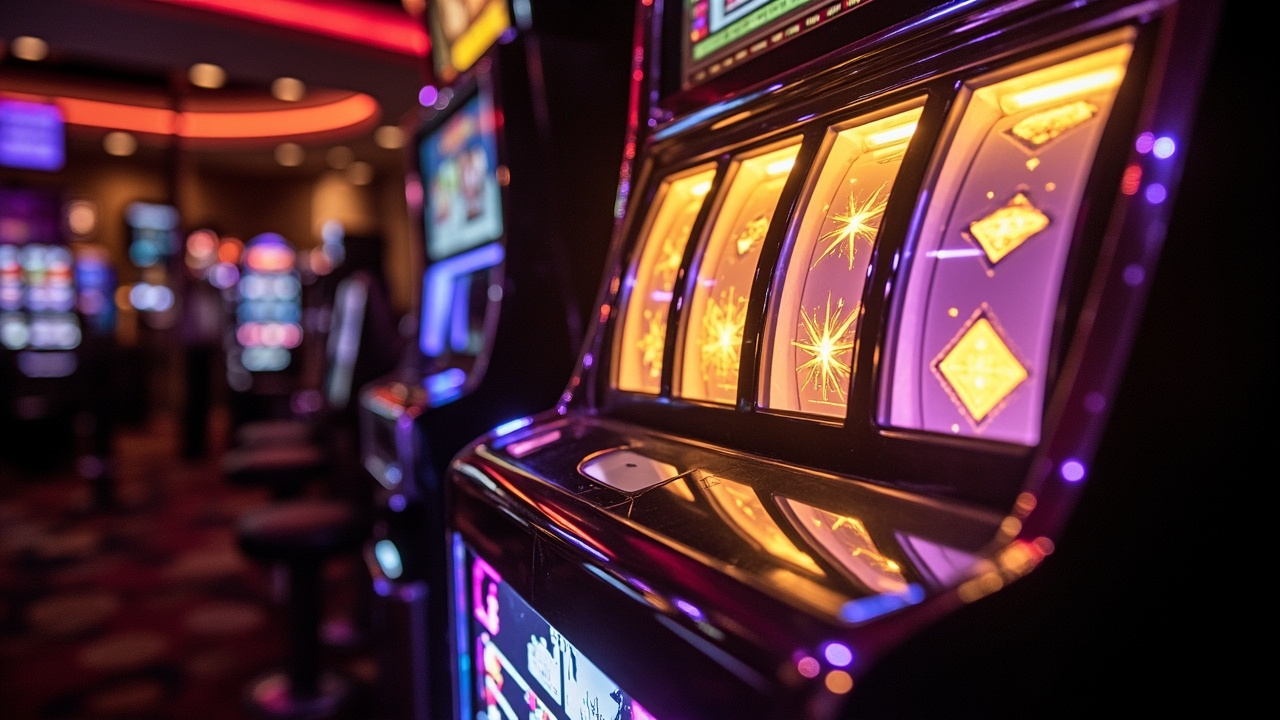
A player sits down with a limit in mind, then the session quietly rewrites itself. The first ten minutes are measured; the next twenty are spent telling yourself the machine is “due” because the symbols have lined up almost-right twice in a row. I have seen Playtech-style presentation teams tune the timing of a win animation so the celebration lingers just long enough to reset the breathing, and that same pacing shows up across a lot of modern pokies. The reels stop, the lights pulse, the audio swells, and for a second the loss feels temporary instead of real. That is the pokies chasing losses danger doing its work: the screen is selling recovery, not probability.
You can spot the pattern in small things. A regular at a Canberra club once told me he counts the spins between drinks, because when the count gets short he knows he is no longer playing a session, he is paying for one. Another moment that stays with me is watching a floor go quiet during the pandemic lockdowns that closed casinos en masse across the globe; when the doors reopened, a lot of people came back carrying the same impulse to win back what the break had interrupted. The visual language had not changed, but the patience had. A near-miss on a high-volatility game reads very differently when you are already behind.
Volatility is the part most players underestimate when they are in that headspace. A game built to pay irregularly will hand you long dry stretches and then a sudden spike, and if you are chasing, the dry stretch feels like a problem to solve rather than a feature to sit through. I would rather a title held its tension honestly than dress up a low hit rate with extra sparkle on the bonus meter. If you want to test that feeling without pretending it is a strategy, wanted dead or a wild for high volatility is the kind of slot that makes the swings visible instead of hiding them behind constant small returns. The point is not to pick a harder game; the point is to recognise when the game’s rhythm is being misread as a ladder you can climb back up.
How a first session can drift into the spiral
Signup on a new site usually begins with a few ordinary steps that feel administrative until they are not. You enter your details, confirm you are within eligibility, and wait for verification to clear before any real money touches the account. The first deposit then sets the tone for the whole session, because once the balance is in, the temptation is to treat it as a working fund instead of a fixed entertainment budget. Bonus activation can soften that landing, but only if the wagering terms are read before the first play, not after the first loss has already changed your mood.
The walkthrough is simple enough to miss when you are tired. You register, the account sits in a pending state while identity checks run, and you cannot start properly until those checks clear. Verification is the boring gate that actually protects the player, because it keeps the account tied to a real person and a real jurisdiction, and it is the part most people rush past when they just want to spin. Once cleared, the first deposit goes in, the bonus is toggled or entered with a code, and the first spin happens inside the rules you just agreed to. That sequence is where the pokies chasing losses danger quietly enters, because the session has a starting balance and an ending mood, and the two rarely match by the time you stand up. wanted dead or a wild for high volatility
I have sat with designers who treated the first-play moment like a handshake: the screen should be clear, the controls should be legible, and the player should know what the balance is without hunting for it. That sounds obvious, but a lot of interfaces bury the running total behind a tap, which is a poor choice when someone is already leaning toward recovery play. A short, honest layout is worth more than a polished one that hides the number you are trying to protect.
- Complete registration with correct eligibility details and wait for verification to clear before depositing.
- Read the bonus terms, especially wagering requirements and game contributions, before activating anything.
- Set a session limit in writing, fund the account to that amount only, and treat the bonus as a condition to understand, not a reason to extend play.
- Start with a small number of spins on a familiar title, watch the balance change in real time, and stop the moment the session stops feeling like choice.
Why presentation and pacing make it harder to step away
The creative layer matters more than most players admit, because the screen is not a neutral window into the maths. It is a composed experience with its own rhythm, and that rhythm can make a losing session feel like it is building toward something. I have reviewed layouts where the bonus symbols were given extra glow and the paytable was pushed one tap deeper, both small decisions that make the game feel busier than it needs to be. None of that is fraudulent on its own, but stacked together it can nudge a tired player toward one more stretch, which is exactly the pokies chasing losses danger in practice.
There is also the matter of how wins are framed. A small return on a high-variance title can flash like a meaningful event, and the audio mix often leans into that moment harder than the balance change warrants. I have seen a Playtech-style art direction call for the win animation to hold for a beat longer than the payout needed, simply because the pause made the moment feel earned. That is a fair creative judgement in a vacuum, but it becomes a problem when the player is already trying to recover a loss and reads the pause as a sign rather than a finish. The machine is not telling the truth about the next spin; it is only telling a story about the last one.
A couple of everyday moments make that clearer than any warning label. I once watched a player at a local venue put the machine on hold just to stand and look at the canal-side view outside, because the break gave the numbers back their actual size. Another time, a friend described the indoor canals at The Venetian with singing gondoliers as the kind of place that makes time feel arranged rather than rushed, which is the opposite of what a chasing session does to a person. Those are not solutions, just reminders that the impulse to keep going is often about momentum, not money.
The safer move is to treat the session as something with a shape you choose before it starts. Decide the entertainment amount, decide the stop point, and let the visuals be entertainment instead of evidence. If the balance is dropping and the thought in your head has shifted from “how long do I want to play” to “how do I get this back,” that is the moment to walk away, not the moment to press harder. The pokies chasing losses danger is strongest when the room is quiet, the screen is bright, and the next spin still feels like it belongs to you.